



























The Impact of School Food Policies
Childhood obesity in the U.S. has more than tripled since the 1970s. According to the latest data from the Centers for Disease Control and Prevention, nearly 1 in 5 school-age children and young people (6 to 19 years) in the United States is classified as obese. Whats more, studies show that most children and adolescents dont meet dietary recommendations, and metabolic problems like diabetes and high blood pressure are showing up earlier than ever before. Eating healthier from a younger age can help prevent the onset of diet-related disease, says Renata Micha, PhD, a research associate professor at Tufts Friedman School of Nutrition Science and Policy who researches the impact of school food policies. Most of our eating habits are developed early in life. The sooner you start eating healthier, the greater the health benefits you will accrue over time.

The Challenges of Nutrition Research
Many nutrition studies rely on self-reported dietary intakes. Surveys ask participants to record everything they eat for a specific period, recall what they ate recently, or indicate what foods (in what amounts) they typically eat. The information these surveys provide is used to determine what dietary components or habits are associated with particular health measures or outcomes. If the self-reported diet information is inaccurate, it will impact study results.

Fabulous Fermented Foods
Fermented foods may be the oldest new food trend around. The process is as old as civilization itself, and fermented foods are consumed in nearly every culture in the world. While researchers attempt to tease out how the changes caused by fermentation actually impact health, many not-fully-substantiated health claims are being made. Lets take a look at what we know, and dont know, about these promising (and tasty) foods.
Crispy Fig-Sesame Cookies
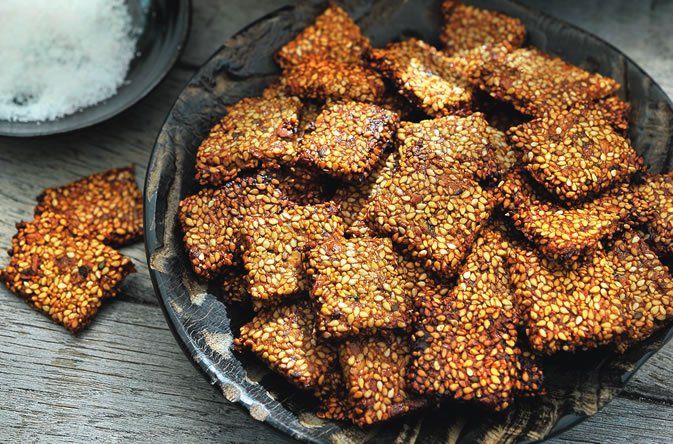
This simple, all-natural, fiber-rich snack can satisfy a sweet tooth as well as an urge for crunch.
The Facts about Local Produce
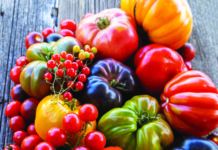
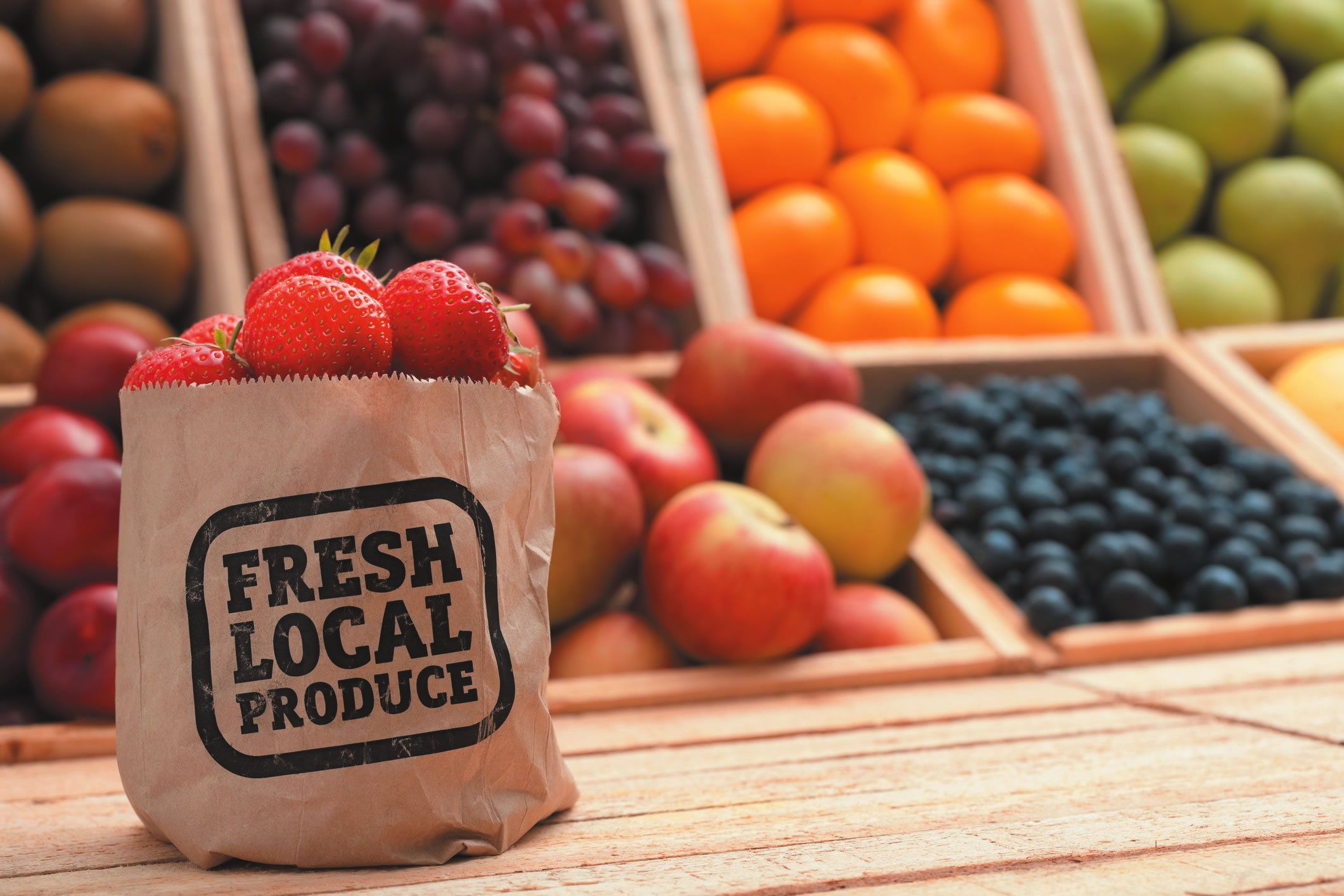
Throughout the summer and fall, farm stands display locally-grown fruits and vegetables, and supermarkets offer fresh seasonal produce, along with organic, conventional, imported, and frozen selections. Understanding the variables associated with these options may make deciding what to buy a little easier.
New Nutrition Facts Labels
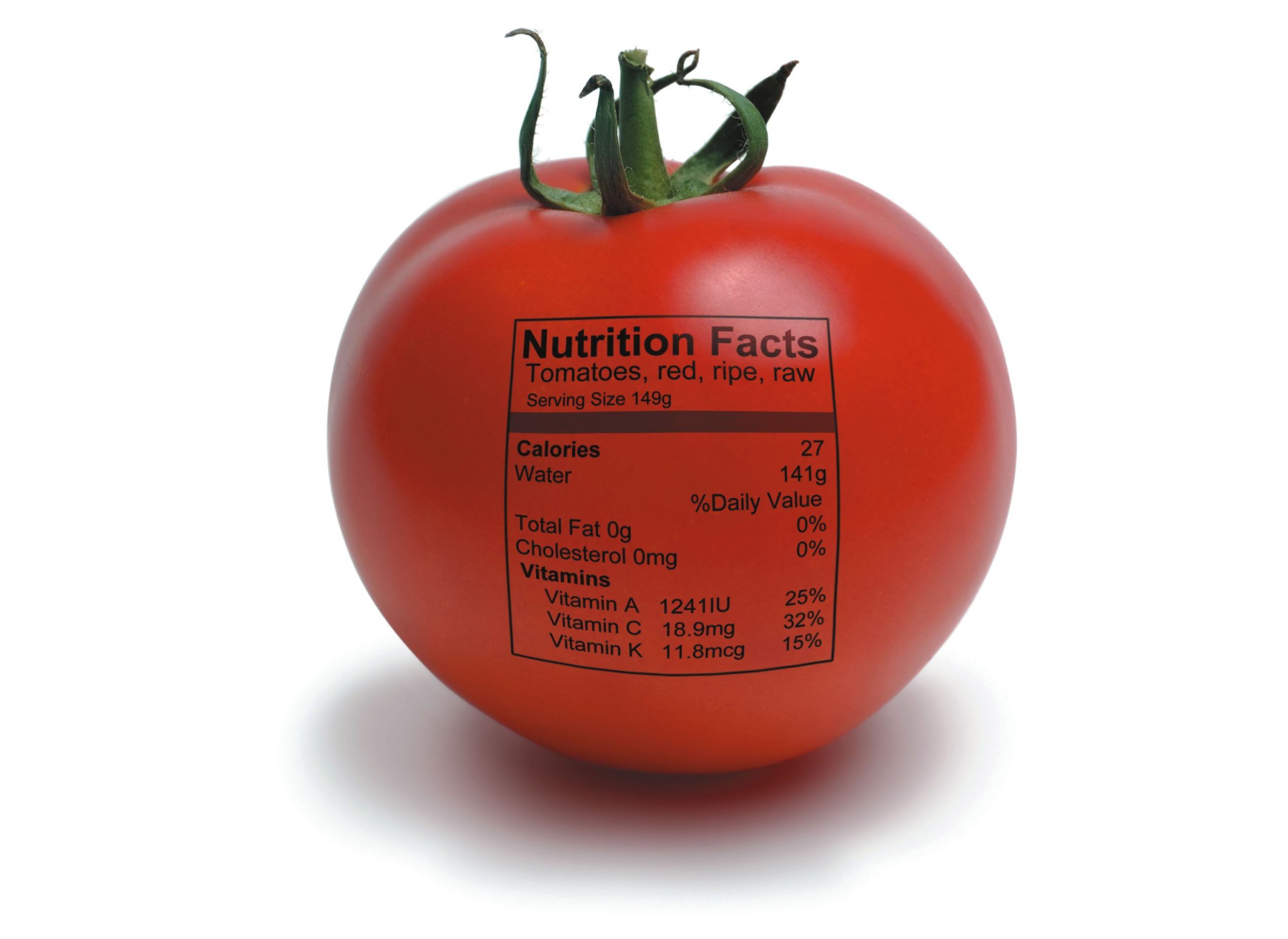
The U.S. Food and Drug Administration (FDA) has finalized regulations mandating several important changes on the Nutrition Facts panels on packaged foods. Poor diets are the leading cause of poor health and rising healthcare costs in America, says Jerold Mande, MPH, a professor at Tufts Friedman School of Health Science and Policy who, as senior advisor to the commissioner of the Food and Drug Administration, led the design of the original Nutrition Facts label. The new label can help us as we work to solve this underappreciated nutrition crisis. Here is a rundown of the changes.
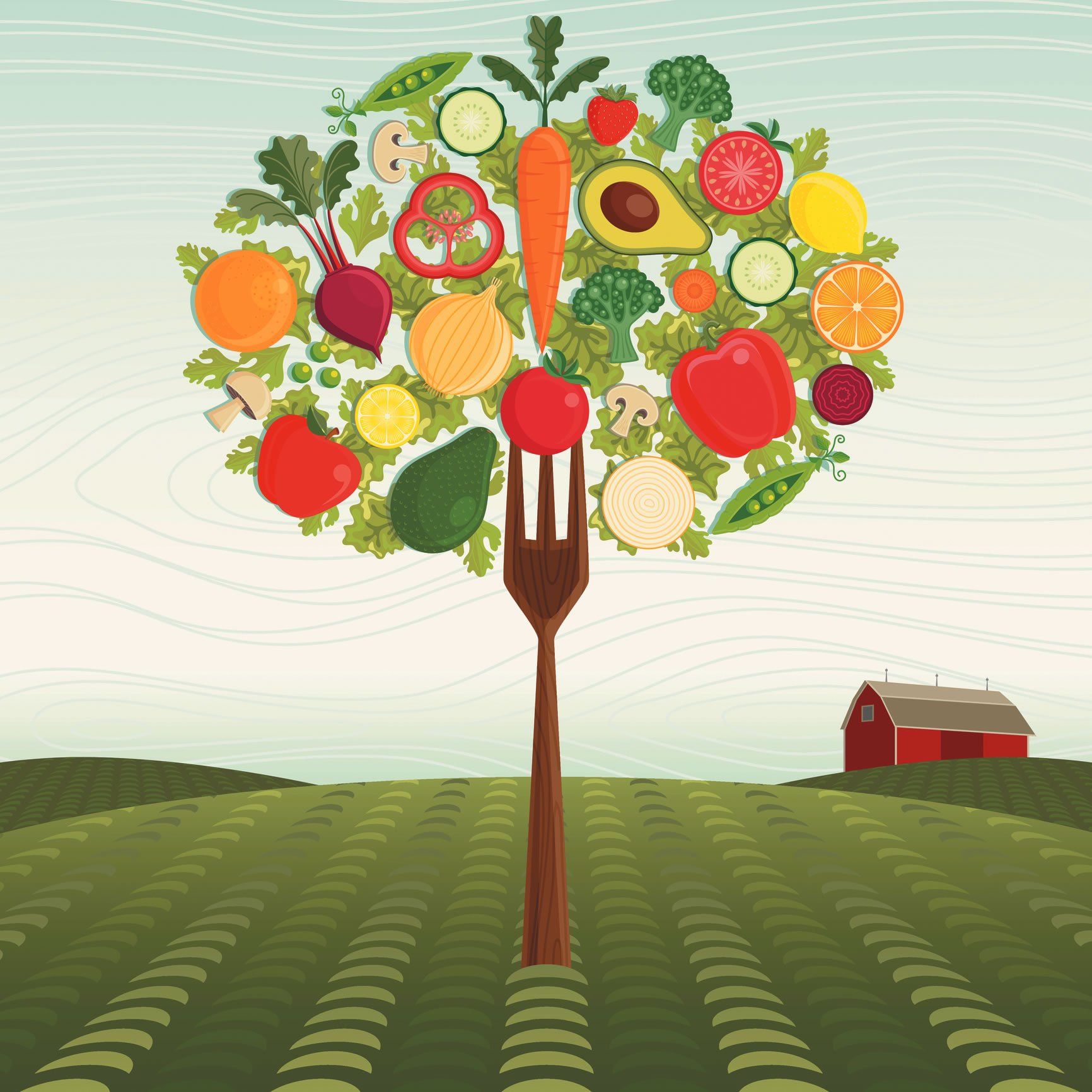
Eating for the Environment
Food production impacts the environment, and interest in how food choices can reduce this impact is rising. According to the 2018 International Food Information Council Foundation food and health survey, 59 percent of consumers say its important to them that the foods they purchase and consume be produced sustainably, up from 50 percent in 2017. The latest research, including research from Tufts, indicates that a more plant-based diet is a more sustainable, environmentally-friendly diet.
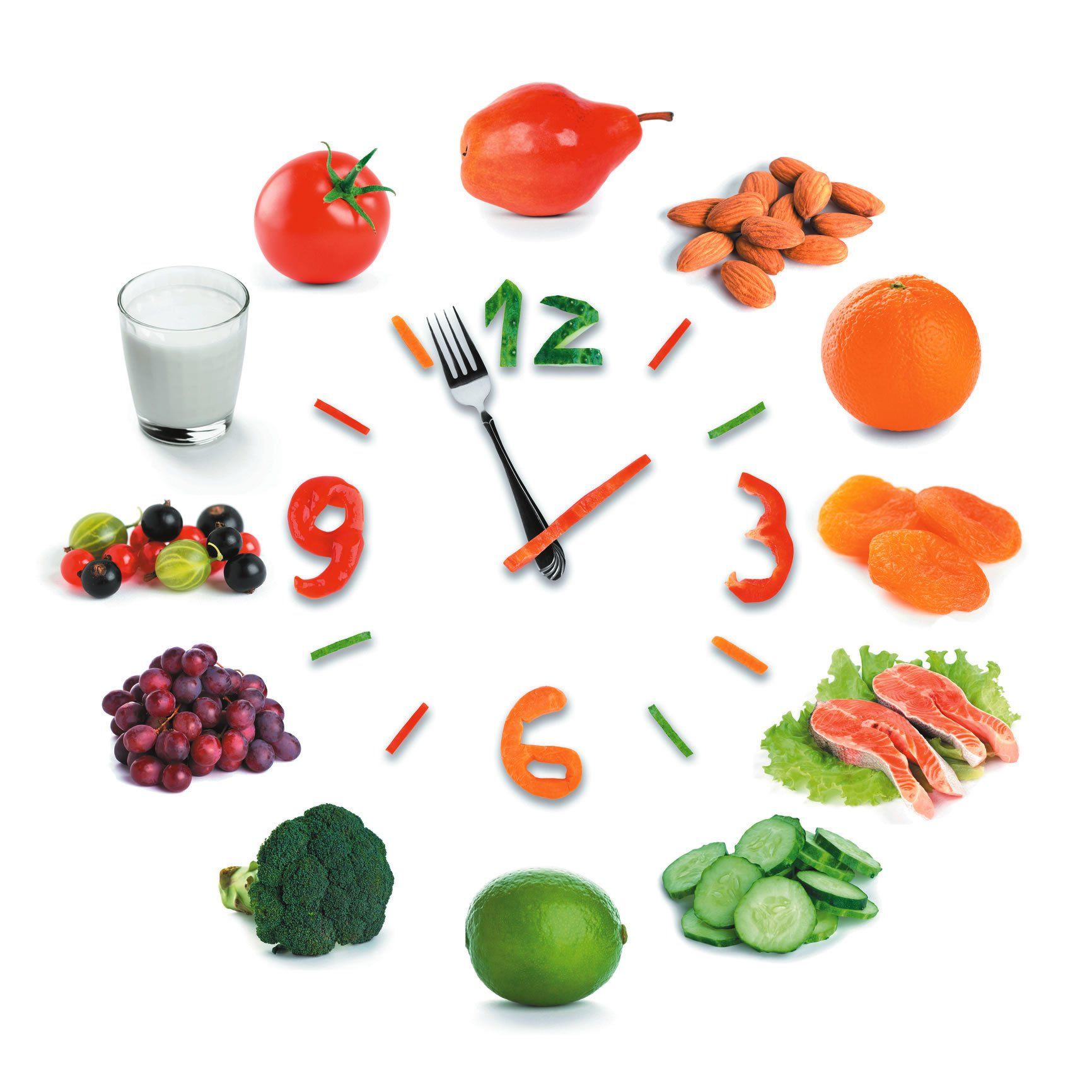
Healthy, Satisfying Snacks
A snack is basically any food or drink consumed between meals. Researchers sometimes add qualifiers (a snack is smaller than a meal, provides less calories, or takes place at least 15 minutes after mealtime), but most snackers are probably just looking for a quick, convenient way to make it to the next meal without getting hangry, or a pleasurable break from the daily routine.
Vegetarian Diets Improve Diabetes Management
A recent systematic review and meta-analysis of randomized controlled trials published in the journal Clinical Nutrition found that vegetarian-style dietary patterns (from vegan, which omits all animal products, to ovo-lacto-vegetarian, which includes eggs and dairy) may be helpful in diabetes management.
Q. You have suggested people eat chocolate to get the antioxidants and other good...
Q. You have suggested people eat chocolate to get the antioxidants and other good stuff that it contains. Do we get the same benefits if we eat chocolate in another form, such as chocolate milk, cake, or pudding?