











Nearly half of all U.S. adults have high blood pressure. This usually symptomless condition is a major risk factor for heart attack and stroke and is also associated with increased risk of type 2 diabetes, chronic kidney disease, and cognitive decline. High blood pressure (hypertension) can be controlled with medication and diet and lifestyle changes. Unfortunately, hypertension is uncontrolled in more than three-quarters of people who have it. This can be because they have not been diagnosed, are not being treated, are not being treated effectively, or are not taking their medication as recommended.
A study of survey data from over 3,000 U.S. adults with uncontrolled hypertension found that more than half were unaware they had high blood pressure. Additionally, nearly 71 percent of those who were being treated for hypertension still did not have their blood pressure under control. Adults ages 18 to 44 were most likely to be unaware and untreated. Nearly all of the adults 65 years of age or older with uncontrolled hypertension had been prescribed blood pressure medication.
Controlling high blood pressure is important for health, longevity, and quality of life. If you have not had your blood pressure checked within the past year, do so. If you have been told you have hypertension, have your blood pressure checked regularly (and consider investing in a home blood-pressure reading machine so you can check your own). If medication is recommended, take it as directed and check your blood pressure regularly to confirm no changes in medication are needed to get your blood pressure down to a top number (systolic) of 130 or below and a bottom number (diastolic) of 80 or below.
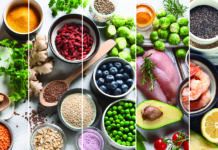
Additionally—whether you have been diagnosed with high blood pressure or want to lower your risk of developing this condition—make a conscious effort to reduce sodium (salt) in your diet and increase your intake of fruits and vegetables (this increases potassium intake, which, in combination with lowering sodium intake, helps avoid high blood pressure).
Knowing how to use the Nutrition Facts label can help you make healthier choices when buying packaged foods.