


















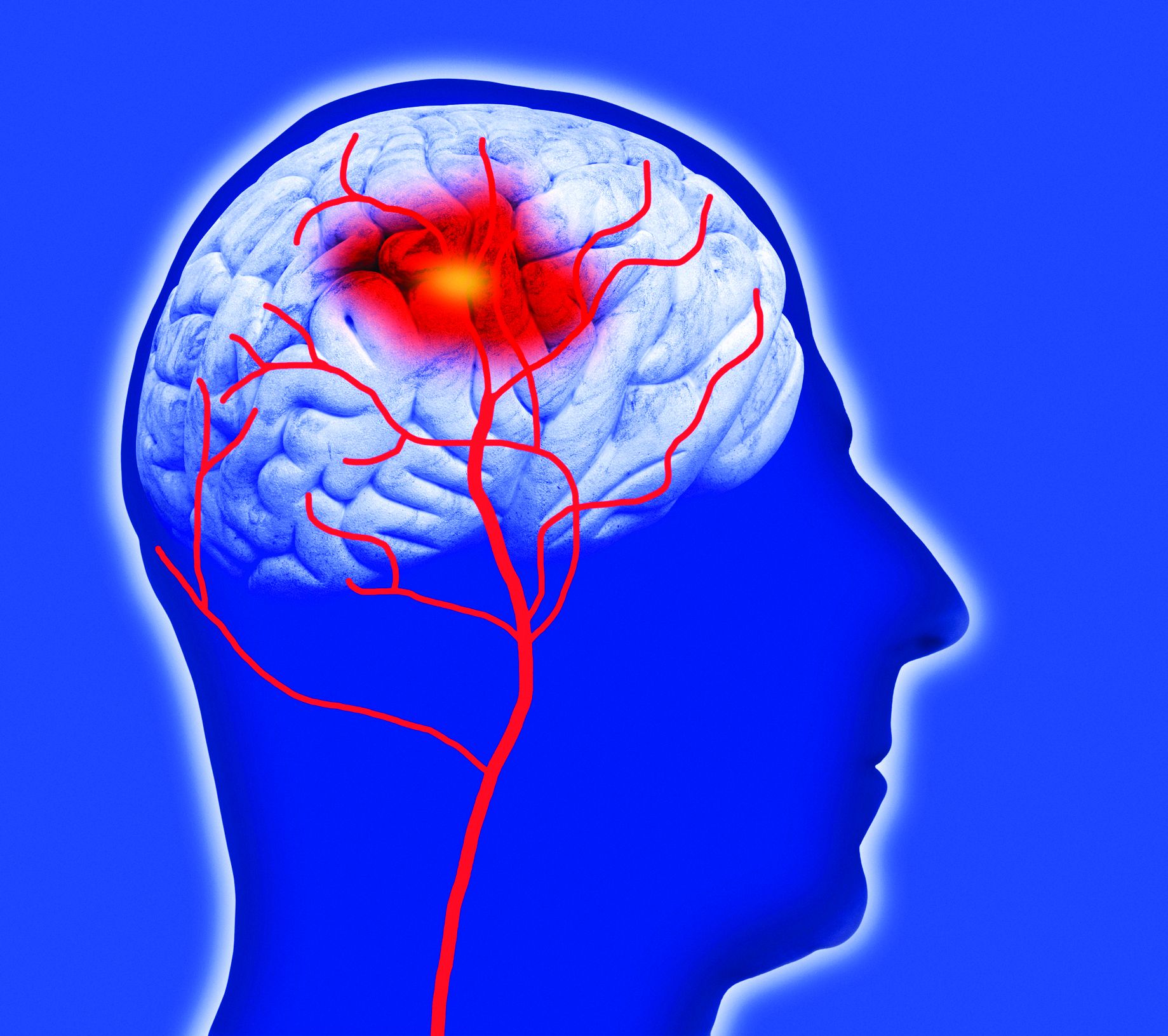
Stroke is a leading preventable cause of disability and death. While one might make a full or near-total recovery from a mild stroke, a severe stroke can lead to permanent disability or death. In between these outcomes is a wide spectrum of disability. INTERSTROKE is an international case-control study of stroke risk factors. One analysis of the data from this study sought to determine if specific risk factors were more likely to be associated with severe stroke, as opposed to non-severe stroke.
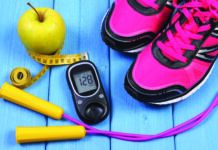
The researchers looked at hypertension (high blood pressure), atrial fibrillation, smoking, waist-to-hip ratio, type 2 diabetes, lower diet quality, physical inactivity, global stress, alcohol use, and markers of cholesterol levels in 13,460 study participants who suffered a stroke. All of these risk factors were significantly associated with both severe and non-severe strokes, but to varying degrees. Hypertension, atrial fibrillation, and smoking were associated with higher odds of severe stroke than the other parameters. while higher waist-to-hip ratio was associated with higher odds of non-severe stroke, compared with severe stroke. Alcohol use was associated with higher odds of non-severe, but not severe, stroke. There was not a significant difference in the severity of stroke associated with the other risk factors.
While strokes suffered by people with hypertension, atrial fibrillation, and smoking may be more likely to be severe, no stroke is a good stroke. It’s important to work with a healthcare provider and make any necessary lifestyle or medication changes to address all stroke risk factors.
Meditation is just one way to cultivate mindfulness. No matter how you do it, it’s good for your health.