
















Most weight loss diet trends fail to deliver the results we want (at least long-term), and some are downright unhealthy. Understanding the pitfalls of some popular plans can help you evaluate promises and avoid being fooled by hype.
Very Low Calorie Diets. These eating plans severely limit the number of calories (and often the kinds of foods) followers can eat. The Cabbage Soup Diet, for example, involves eating very little besides homemade cabbage soup for seven days. The majority of the weight lost on short-term very low-calorie diets like this will be water weight, not fat. You may lose some muscle mass as well, since the body breaks down both fat and muscle for energy if it’s not getting enough calories from food. Any weight lost on a diet like this is bound to come back when normal eating habits resume.
For the most part, these diet plans do not have the variety of vitamins and essential minerals your body needs. Additionally, eating the same foods over and over is boring, making highly restrictive diets harder to stick to than dietary patterns with variety, and increasing the risk for cravings that will throw you off track. They also require major lifestyle changes, which is often a recipe for failure.
Diets that are very low in calories can cause your metabolism to slow down, making it harder to lose weight over time (and easier to gain weight). A diet that adds up to less than 1200 calories a day should be followed only when prescribed and monitored by a physician specializing in weight loss to insure you are getting the nutrients your body needs. Side effects can include headache, weakness, fatigue, nausea and vomiting, constipation or diarrhea, dehydration, low blood sugar, bad breath, and hair loss.
➧ Beware. Fads, “miracle” diets, “cleanses,” and weight loss diets that cut out whole food groups or rely on a very limited number of foods and beverages are not backed by evidence and are not good choices.
➧ Be Healthy. Losing excess body weight is good for your health, but very restrictive and “crash” diets are not. Remember, it’s important to stay healthy while losing weight.
➧ Think Long-term. To lose weight and keep it off, make small, sustainable changes in both food intake and physical activity over time.
➧ Seek Help. If you struggle to shed excess body weight, a qualified healthcare professional may be able to help.
The Takeaway: The negatives of highly restrictive and/or very low-calorie weight loss plans outweigh any potential positives. Highly restrictive diets may result in rapid weight loss while they are being followed, but they are not sustainable—and they are not good for your long-term health. Remember, losing weight is about being healthier, not just skinnier.
Detox Diets and Cleanses. These regimens include things like fasting, liver flushes, colonics, herbs, teas, and supplements. The Master Cleanse, which has been around since the 1940s, is one popular example. Also called the Lemonade Diet, this liquid diet promises to rid your body of harmful toxins while you lose weight and feel healthier.
There is no scientific basis for the claim that any so-called “detox” methods remove toxins from the body. That’s the job of the liver, kidneys, and immune system. To support your body’s natural detox system, drink plenty of water, get seven to nine hours of sleep a night, and consume a healthy dietary pattern high in plant foods and low in alcohol.
The Takeaway: Detoxes and cleanses are not backed by science. Support your body’s natural toxin-removal system by making heathy diet and lifestyle choices.
Detox Diets and Cleanses. These regimens include things like fasting, liver flushes, colonics, herbs, teas, and supplements. The Master Cleanse, which has been around since the 1940s, is one popular example. Also called the Lemonade Diet, this liquid diet promises to rid your body of harmful toxins while you lose weight and feel healthier.
There is no scientific basis for the claim that any so-called “detox” methods remove toxins from the body. That’s the job of the liver, kidneys, and immune system. To support your body’s natural detox system, drink plenty of water, get seven to nine hours of sleep a night, and consume a healthy dietary pattern high in plant foods and low in alcohol.
The Takeaway: Detoxes and cleanses are not backed by science. Support your body’s natural toxin-removal system by making heathy diet and lifestyle choices.
“Miracle” Diets and Foods. Despite decades of promises, there are no miracle foods or ingredients that guarantee weight loss. Drinking green tea, for example, is said to burn fat. These young tea leaves contain compounds (including caffeine and phytochemicals called catechins) that may be involved in increasing energy metabolism, but data from randomized controlled trials show that, when weight loss is observed in studies of green tea or green tree extracts, the amount is insignificant.
The Takeaway: If it sounds too good to be true, it is. Increasing your intake of one particular food, beverage, or food extract is not going to lead to weight loss, especially in the absence of behavior changes that lower your calorie intake and increase your energy expenditure in a meaningful (and healthy) way.
The Overview. Fad diets are typically based on misinterpretation of science, opinion, or outright lies. As in the examples above, they may increase your risk of inadequate nutrient intake, cause changes to your metabolism that make it harder to lose weight, and fail to create the long-term behavior change necessary for sustained weight loss.
Be particularly on the lookout for:
➧ Diets that cut out whole food groups or large numbers of foods.
➧ Claims that following a plan will remove toxins from the body.
➧ Schemes that involve purchasing foods or products from the company promoting the plan.
➧ Short term changes promising long-term results.
➧ Reference to ‘miracles’ or ‘secrets.’
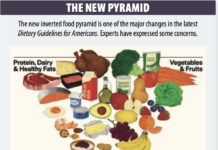
A healthy dietary pattern includes all macronutrients:
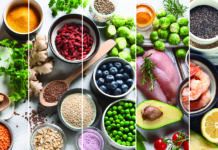
➧ Protein from healthy sources, like beans, lentils, soy foods, fish and seafood, low-fat and fat-free dairy, small servings of nuts and seeds (and spreads made from them), and, as desired, moderate amounts of poultry and eggs and occasionally lean meat.
➧ Carbohydrates, mostly from whole grains and whole grain products, beans, lentils, vegetables, and fruits.
➧ Healthy fats from fish and seafood, non-tropical plant oils, nuts and seeds, and veggies like avocados.
Eating these foods in place of sweets, refined carbohydrates, and foods high in saturated fat (like red meat, full-fat dairy, and palm and coconut oils) insures you consume a dietary pattern that supports optimal body functioning. It’s also important to limit sodium intake.
What to Do. Overweight and obesity increase risk for health problems like type 2 diabetes, high blood pressure, heart disease, and some cancers. Excess body weight can also get in the way of activities that could bring you joy. Focusing on how reducing excess body weight can improve your health and quality of life—rather than solely on appearance—may help encourage healthier weight-loss decisions.
Look for weight loss plans that help you make small, healthy, sustainable changes to your dietary pattern and lifestyle over time. Set short term goals; be proud of each success; and see any slip-ups as learning experiences rather than failures. Moderating portion sizes and eating frequency within the context of an overall healthy dietary pattern helps cut calories without eliminating all favorite foods. Add adequate sleep, stress management, and regular physical activity and you’re on track for healthy, sustainable weight loss. Achieving permanent weight loss can be challenging. Seek help from a qualified medical professional, if necessary.