
















Herbal Remedies Often Missing the Herbs
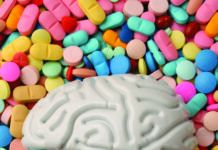
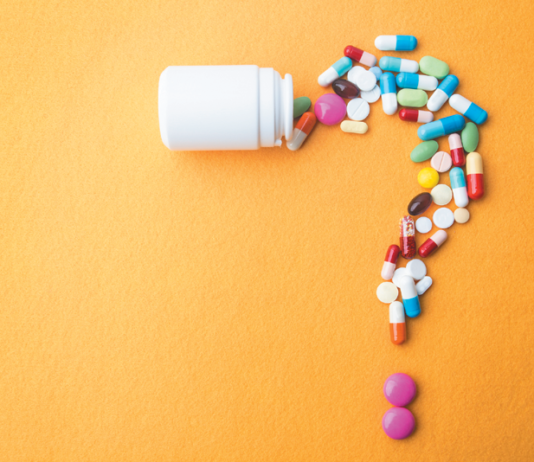
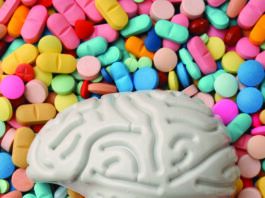
What are Americans getting for the $5 billion spent annually on unproven herbal supplements? Many of the pills may contain fillers such as powdered soybean, wheat, rice and even weeds, instead of the promised herbal remedies, according to a new DNA analysis published in BMC Medicine.
Q. How are multivitamins made and how do the vitamins get into the body...
A. Brittany Loriquet, a dietetic intern in Tufts Frances Stern Nutrition Center, explains: Vitamins can be derived from food products or produced synthetically in a lab. Most multivitamins are made from synthetic vitamins, which are cheaper and easier to use than those from natural foods. There is no difference in the chemical structure between the synthetic form and naturally derived forms. To make a multivitamin, the vitamins and minerals are ground into a fine powder. …

Can Supplement Pills Deliver on Their Promises?
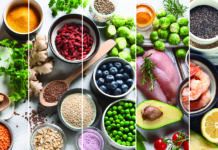
With the US drought predicted to cause food-price increases of up to 5% next year, it might be time to take a harder look at whats in your grocery cart-especially those items that arent really groceries, such as pricey dietary supplements. Nutrition experts agree that its best for generally healthy people to obtain the vitamins, minerals and other nutrients you need from food, not pills.
Does Fish Oil Really Raise Prostate Cancer Risk?
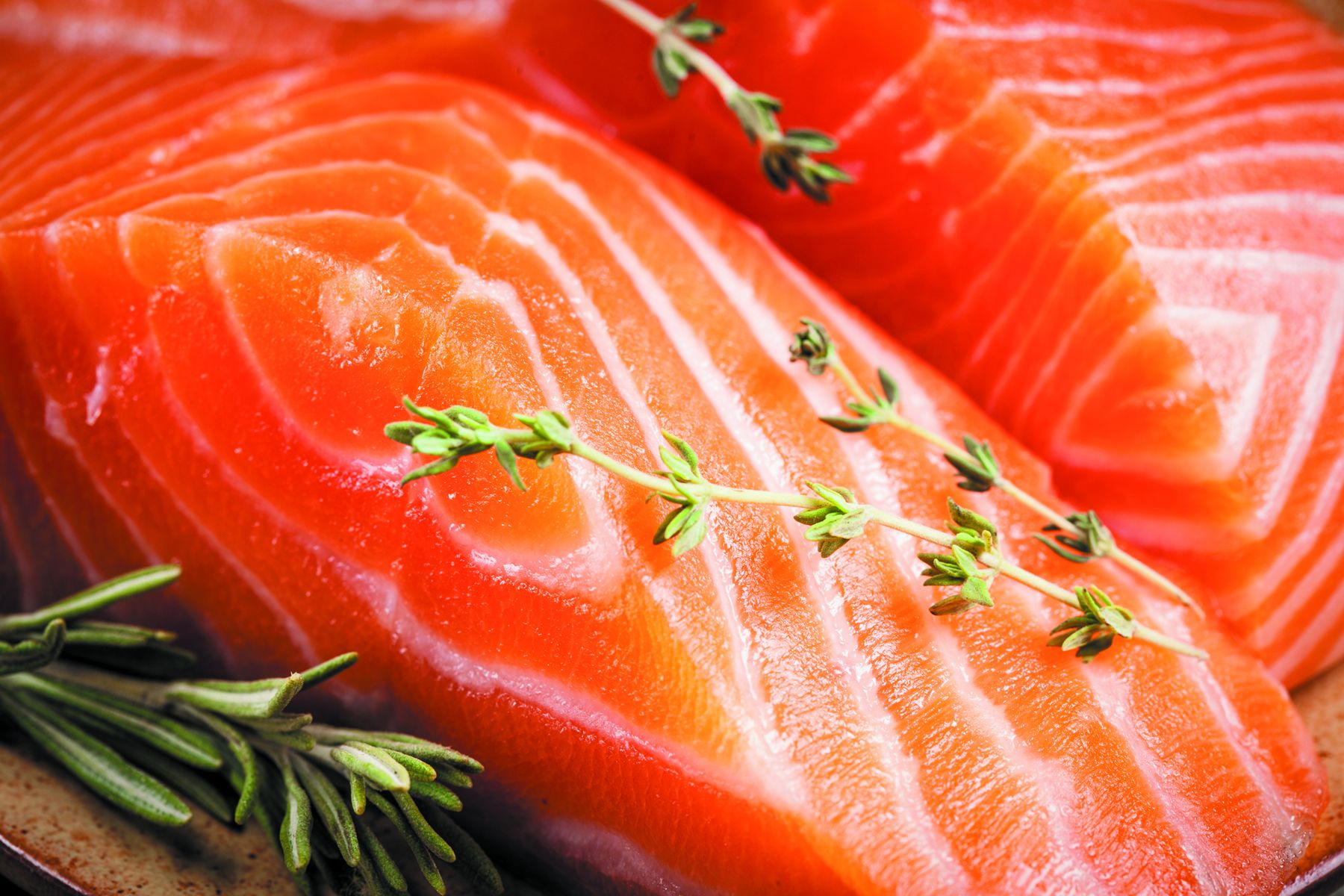
Over and over again, youve read in the pages of this newsletter and elsewhere that eating fish like salmon high in omega-3 fatty acids is good for you. Youve seen countless ads touting the similar benefits of fish-oil pills containing those same omega-3s (EPA and DHA). Now suddenly comes a flurry of headlines suggesting a scary downside to these health-promoting omega-3s, at least for men: High Levels of Fish Oil May Boost Risk for Prostate Cancer, Omega-3 Supplement Taken By Millions Linked To Aggressive Prostate Cancer.

Are You Getting Enough B12 to Fight Mental Decline?
Even if youre only a little low in vitamin B12, you might be at greater risk for cognitive decline than previously thought. While prior research has linked serious B12 deficiency to higher likelihood of cognitive problems, a recent Tufts study found that moderately low levels of B12 also put older people at significantly increased risk.
Q: I take supplements of vitamin B12 daily, plus a mature multivitamin containing vitaminB12....
Answer : Unlike many other nutrients, the Institute of Medicine has not established a Tolerable Upper Intake Level for vitamin B12...
Q: I take a multivitamin with my morning cup of tea. Do I need...
Answer : In general, theres no need to be concerned about tea blocking the absorption of vitamins or other nutrients, according to Jeffrey B. Blumberg, PhD, director of the Antioxidants Research Laboratory at Tufts Jean Mayer USDA Human Nutrition Research Center on Aging...
Q: I have long read recommendations of low-fat milk. How about powdered milk? I...
Answer : Just like regular milk, powdered or dry milk comes in different types. The most important difference is whether the milk is nonfat or whole.
Q: Besides being kosher for religious purposes, whats the difference between kosher salt and...
Answer : Kosher salt, like most supermarket sea salt, is much coarser-grained than ordinary table salt.
Q: Is it contraindicated for individuals at risk of developing calcium oxalate kidney stones...
Answer : Lesley Stevens, MD, MS, an assistant professor of medicine at Tufts, replies, Vitamin D supplements are not necessarily...