



















New Heart Trials Put Omega-3s to the Test
What are heart patients to make of two new clinical trials of the omega-3 fatty acids found in fish oil? In one study, patients with early heart failure showed signifcant improve- ments on several markers of cardiovascular health when taking omega-3 supplements, compared to a placebo. But a Dutch clinical trial of heart-attack survivors failed to find any protection against second heart attacks from margarine enriched with omega-3s.
Low-Carb Diets High in Meat Riskier Than Veggie Versions
I f youre tempted to try an Atkins-style diet, go easy on the steak and bacon. A new analysis of data on nearly 130,000 men and women over more than two decades reports that low-carb diets relying more on meat for fat and protein were associated with a 23% increased risk of death. On the other hand, low-carb diets with higher intakes of vegetables and fruit were associated with a lower risk of dying.
Healthy Eating Can Put Metabolic Syndrome into Reverse
C an metabolic syndrome be reversed by eating right? A new study says the answer is yes. Metabolic syndrome is an increasingly common term covering a complex of conditions, including central obesity (high waist-hip ratio), high blood pressure, unhealthy blood cholesterol levels and insulin resistance. Together, this cluster of risk factors sharply increases the danger of developing heart disease and diabetes. According to the American Heart Association, more than 50 million Americans suffer from metabolic syndrome.
Active Workers at Lower Risk of Heart Failure
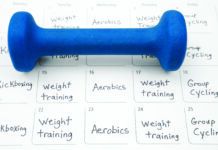
Much like exercising in your leisure time, staying active on the job can be good for your heart: Researchers report that on-the-job physical activity is associated with reduced risk of heart failure. Overall, in a study of nearly 60,000 Finnish men and women, as levels of physical activ- ity at work went up, the risk of heart failure went down.
Whole Grains Battle Your Dangerous Belly Fat
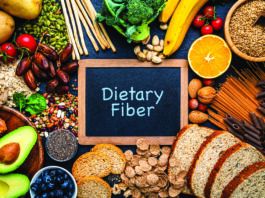
Whole grains can help fght the belly fat thats linked to heart disease and diabetes, according to Tufts researchers, while refined grains like white bread and pasta can cancel out those benefits.
Experts Boost Vitamin D Recommendations-But Only a Little
A n expert committee of the Institute of Medicine (IOM), which sets recommended daily levels for nu- trients, says children and adults under age 71 need 600 IU of vitamin D daily, while older adults need 800 IU. Thats an increase from levels set in 1997, which ranged from 200-600 IU daily, and from the 400 IU used in nutrition labels on food.
Extra Pounds or Not, Sugary Drinks Increase Diabetes Risk
B everages sweetened with sugar or high-fructose corn syrup can boost your risk of type 2 diabetes-even if the calories dont make you fat. An analysis of 11 studies totaling more than 300,000 participants fnds that consump- tion of such sweetened drinks appeared to increase the risk of diabetes independent of their effects on obesity. People drink- ing one or two non-diet drinks daily were 26% more likely to develop diabetes than those sipping less than one a month. Consumption of sweetened drinks was also linked to a 20% greater risk of metabolic syndrome, a cluster of symptoms that can lead to diabetes and heart disease.
To Protect Arthritis-Prone Knees, Dont Overdo Exercise
I f youre at risk for osteoarthritis of the knee, light exercise such as walking or bowling can reduce your odds of develop- ing that painful condition. But strenuous exer- cise such as skiing, soccer, running or playing basketball can lead to cartilage damage and start an osteoarthritis cascade, a new study warns. Even if youre not at risk, too much knee bending can damage cartilage.
Drinking Orange Juice May Help Combat Bad Cholesterol
T hat morning glass of OJ might be doing some good for your cholesterol numbers. In a new study published in Nutrition Research, Brazilian scientists report that orange juice made from concentrate reduced unhealthy LDL choles- terol levels in patients with high cholesterol.
Vitamins E and C Disappoint in Cataract Prevention
T he longest placebo-controlled trial to date to test whether antioxidant vitamins reduce the risk of cataracts has failed to fnd such a beneft for the supplements. Because oxidative damage is a prominent feature of cataracts, one focus of nutrition research has been the link between dietary intake of nutrients with antioxidant potential, particularly vitamins E and C, and the risk of cataract, explained William G. Christen, ScD, of Brigham and Womens Hospital and Harvard Medical School, and col- leagues, writing in Archives of Ophthalmology.