
















Obesity Rates High But Stabilizing
New government data suggest that while US levels of obesity and overweight remain far too high, the rate of increase may be slowing. About one-third of adults were obese in the latest analysis of data from the National Health and Nutrition Examination Survey (NHANES).
Weight Tops Smoking in Impact on Quality of Life
In another new study on obesity, the toll of excess weight on Americans health and quality of life was reported to have overtaken that of smoking, even though tobacco still poses a greater mortality threat. The analysis of 15 years of public-health data concluded that by 2008, the obese were losing more quality-adjusted life years (QALYs) through disability and limitations on activity. That contrasts with 1993, when the QALYs lost to obesity were far behind the toll of smoking.
Walking May Protect Your Gray Matter
Heres more evidence that walking helps boost your brain-but you might have to step it up: In a study of 299 Pittsburgh seniors, those walking at least 72 blocks weekly had significantly greater gray-matter volume in subsequent MRI scans.
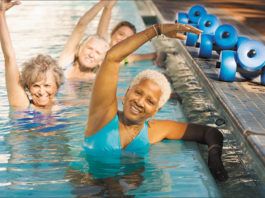
Exercise Protects Elderly Women from Falls and Fractures
A home exercise program may help high-risk, elderly women avoid falls that lead to hip fractures, according to results of a seven-year study of 160 Finnish seniors. Falls are responsible for at least 90% of all hip frac- tures, noted Raija Korpelainen, PhD, of Oulu Deaconess Institute in Finland, and colleagues, reporting their results in Archives of In- ternal Medicine. Hip fractures place the greatest demands on resources and have the greatest effect on patients because they are associated with high mortality rates and increased morbidity.
Exercise Boosts Colds Defense
Your best defense this cold and fu season may be in the gym. Re- searchers at Appalachian State Univer- sity report that people who exercise more-as well as those who rate them- selves as highly ft-are less susceptible to upper-respiratory-tract infections. The study followed 1,002 adults over two 12-week periods in the fall and winter. Based on self-reported exer- cise, those who work out at least fve days a week suffered 43% fewer days with respiratory infections than those exercising no more than once a week. The one-third who rated their own ft- ness level the highest experienced 46% fewer sick days than the least-ft group. Even when they did get sick, frequent exercisers and the most ft suffered less- severe symptoms. Scientists suggested that even though the immune system returns to pre-exercise levels within a few hours, each workout may provide protection against pathogens that make the respiratory system vulnerable to infection. Other studies have actually shown that exercise may acutely sup- press immune response; this study may refect the effects of defensive responses over time.
Exercise and Vitamin D Rated Best Bets for Preventing Falls
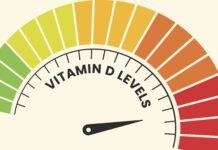
A new review of more than 50 clinical trials, designed to update prevention recommendations for physicians, fnds exercise and vitamin D supplements are the most effective ways to prevent falls in older adults. The report says exercise was associated with a 13% reduction in the risk of falling, while trials of vitamin D supplementa- tion saw a 17% reduction in falls. The review will be used to update the US Preventive Services Task Force (USPSTF) recommendations for strate- gies to prevent falls.
Where Exercise Goes South
Yall need to get up off the sofa and get some exercise. New data from the Centers for Disease Control and Prevention (CDC) show that adults in the South are most likely to report zero leisure-time physical activity-not even gardening, walking or golfing
Your Muscles: Secrets of Aging Gracefully
Inside Tufts HNRCA Laboratory of Nutrition, Exercise, Physiology and Sarcopenia-on the front lines of the fight against frailty. At 711 Washington Street, in the heart of downtown Boston, you will find the worlds largest research center on nutrition and aging. With over 300 scientists, the Tufts Jean Mayer USDA Human Nutrition Research Center on Aging (HNRCA) has been advancing the knowledge of human nutrition since 1979
For Obese Seniors, Combine Diet Plus Exercise to Fight Frailty
Combining diet and exercise is the most effective formula for obese seniors who want to improve physical performance, according to a new year-long study. For older people, the findings suggest, losing weight may be just as important for fighting off frailty as for avoiding obesity-related medical conditions
Only Half in US Judge Themselves as Overweight
Worried about your weight? Soon you may be in the minority, even as Americans grow ever fatter. A new survey by the International Food Information Council (IFIC) reports that only 50% of Americans consider themselves overweight