



















Home Search
gum - search results
If you're not happy with the results, please do another search

Supplements and Alternative Therapies Not Shown to Help Weight Loss
An estimated 34 percent of Americans who want to lose weight have tried a weight loss supplement. A new study reviewed 315 randomized controlled...

April Fools! Don’t Be Duped by Misleading Package Labeling
Brightly colored, bold, buzzwords leap off of food packages—but the claims they make can be misleading. Many of these front-of-package statements are defined and...

Food for Healthy Skin
We all want smooth, healthy skin. There is a huge market for skincare products, but the best way to care for our largest organ...

Nutrition 101 – Glossary – S
Saccharin – Definition - Saccharin is an artificial sweetener that is 200-700 times sweeter than sugar and approved for use by the FDA. Relevance...
Nutrition 101 – Glossary – P
Paired Testing – Definition – Testing blood sugar (glucose) before and after an activity or event, such as eating or exercise. Relevance – This...
Nutrition 101 – Glossary – G
Gait – Definition – The process of walking. Relevance – As a person ages, gait (walking) speed can be used as an indicator of...
Nutrition 101 – Glossary – C
C-reactive protein - Definition - Made in the liver, C-reactive protein (CRP) is a biomarker that indicates inflammation throughout the body when blood levels...

Sugar Substitutes: Helpful or Harmful?
Since the 1980s there has been an explosion of sugar substitutes in the marketplace. These artificial or highly refined natural compounds are used frequently in beverages and processed foods to lower total calories (so-called diet foods and beverages) or decrease added sugar (as in sugar-free or low-sugar products). The number of products available for use at the table or in cooking and baking at home has also increased. While these compounds are touted as calorie-cutting weight loss aids and an option to people with diabetes looking for sweet choices while sticking to their diet, questions about efficacy and safety have dogged them from the start.

Plant-Based and Unhealthy?
Experts agree plants should make up a large part of a healthy dietary pattern. Humans eat plant roots (carrots and radishes), stems (asparagus and celery), leaves (leafy greens), seeds (including whole grains), flowers (broccoli, cauliflower, artichoke), and the seed-bearing fruits of plants (including fruits, vegetables, beans, and nuts).
Are Added Fibers Good for Our Health?
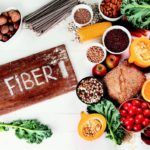
It is recommended that adults consume between 25 and 30 grams of dietary fiber a day. The average American currently gets about half that amount. According to the latest Dietary Guidelines for Americans, dietary fiber is a nutrient of public health concern, meaning this low level of intake could actually be detrimental to our health. So, its potentially good news that food manufacturers are adding fiber to processed foods. But is that fiber as good for our health as fiber found naturally in fruits, vegetables, nuts, legumes, and whole grains?