



















Home Search
Cancer - search results
If you're not happy with the results, please do another search

Q: Is it OK to eat canned fruits and vegetables?
Answer : Abigail Lundin, MS, RD, a dietetic intern at Tufts Frances Stern Nutrition Center, replies: According to the Academy of Nutrition and Dietetics, we should strive to eat more fruits and vegetables-fresh, frozen, dried and canned.
Q: Does strontium help strengthen bones, and if so what are the sources of...
Answer : Although strontium is the 15th most abundant element on the planet, its found more in rocks than in food.
The Cutting Edge of Nutrition and Cancer Yes, fruits and vegetables do help protect...
Cancer is constantly in the news, it seems-and no wonder, since its re-cently overtaken heart disease as the leading cause of death in the US. Youre bombarded with information, myths and hopeful guesses about what might protect you against cancer and what might raise your risk. Your lifestyle really can affect your risk-but whats fact and whats sheer speculation?
The Cutting Edge of Nutrition and Cancer Yes, fruits and vegetables do help protect...
Cancer is constantly in the news, it seems-and no wonder, since its re-cently overtaken heart disease as the leading cause of death in the US. Youre bombarded with information, myths and hopeful guesses about what might protect you against cancer and what might raise your risk. Your lifestyle really can affect your risk-but whats fact and whats sheer speculation?
Regular Workouts Reduce Uterus Cancer Risk by 30%
H eres more motivation to get going on a program of regular physical activity: A new National Cancer Institute re- view of 14 prior studies reports that women who regularly exercise reduced their risk of endometrial cancer by about 30%. On the other hand, women who spend more of their day sitting were at greater risk of the can- cer, which affects the lining of the uterus.
Regular Workouts Reduce Uterus Cancer Risk by 30%
H eres more motivation to get going on a program of regular physical activity: A new National Cancer Institute re- view of 14 prior studies reports that women who regularly exercise reduced their risk of endometrial cancer by about 30%. On the other hand, women who spend more of their day sitting were at greater risk of the can- cer, which affects the lining of the uterus.
Coffee May Combat Aggressive Cancers
Heres news that might settle the nerves of heavy coffee drinkers: Two new studies suggest that high coffee consumption might be linked to reduced risks of the most aggressive form of breast cancer in women and lethal prostate cancer in men
Exercise and Diet Changes May Reduce Breast Cancer Risk
Two new studies suggest ways that lifestyle changes can help postmenopausal women reduce their risk of breast cancer.
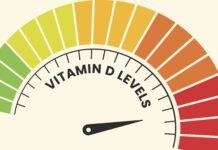
Vitamin D Linked to Lower Colorectal Cancer Risk
The largest study of its kind to date may tip the scales on the controversial question of whether higher vitamin D levels are associated with reduced risk for colorectal cancer. Researchers drawing on data on more than a half-million participants in the European Prospec - tive Investigation into Cancer (EPIC) study concluded that people with the highest blood levels of vitamin D were up to 40% less likely to develop colo - rectal cancer compared to those with the lowest levels.
No Link Between Folic Acid Supplements and Colorectal Cancer
A new American Cancer Society study concludes that theres no evidence folic acid from fortified foods or supplements increases the risk of colorectal cancer. Earlier research, including a 2007 Tufts study